Patio covers in Buckeye, AZ: free matching with licensed local installers for aluminum, Alumawood style, insulated and lattice covers and pergolas
Free matching with licensed local installers for patio covers and pergolas in Buckeye and the West Valley
How it works
Shade for a desert patio, without guessing
Buckeye Patio Covers is a free referral service. Describe the patio, pick a cover type, and we pass it to an independent, licensed local installer who visits, measures and sends a written quote.
You decide whether to hire them. There is no charge for the match and no obligation to accept a quote.
Buckeye Patio Covers is a referral service, not a contractor. Work is done by independent, licensed local contractors.
Ideas
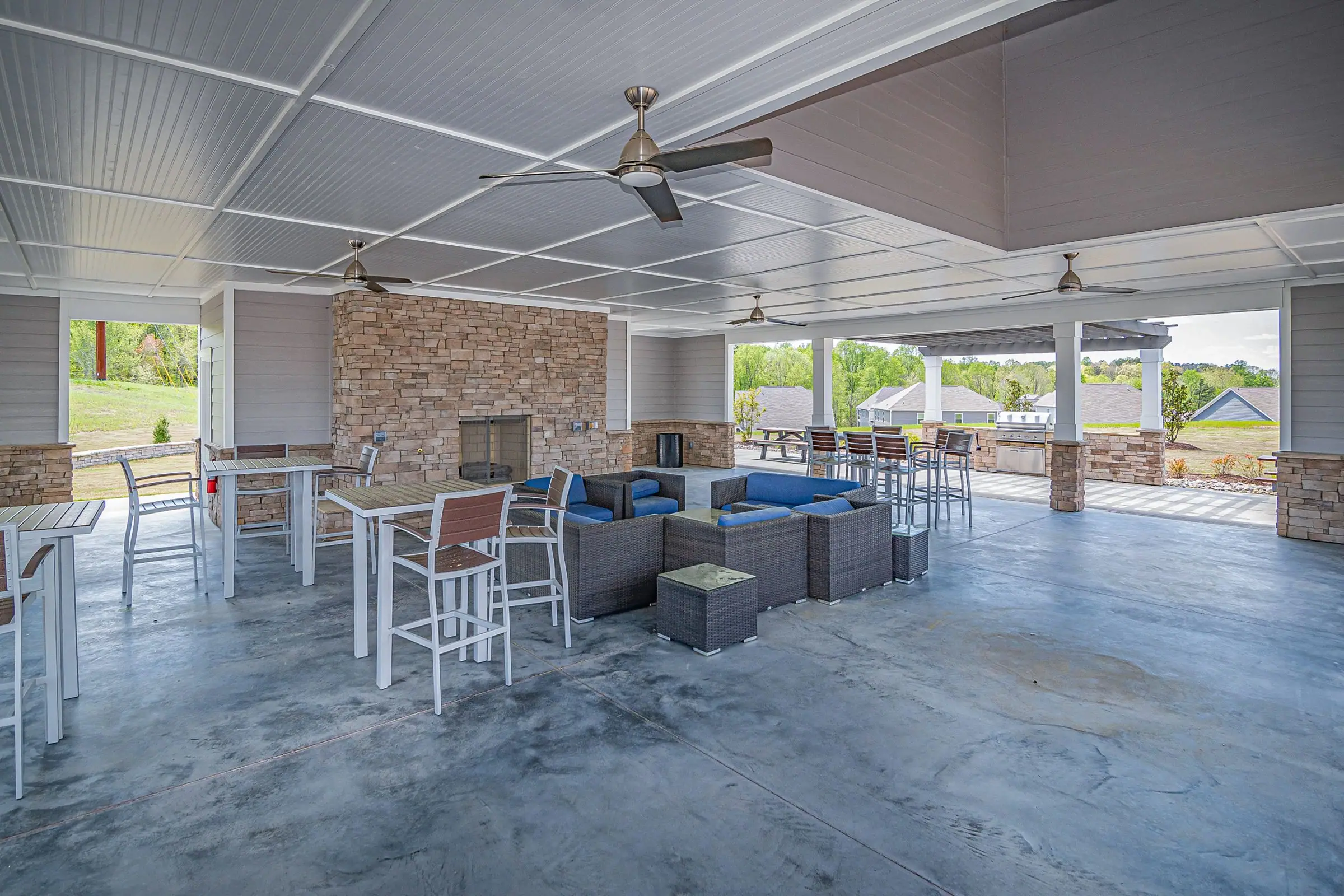
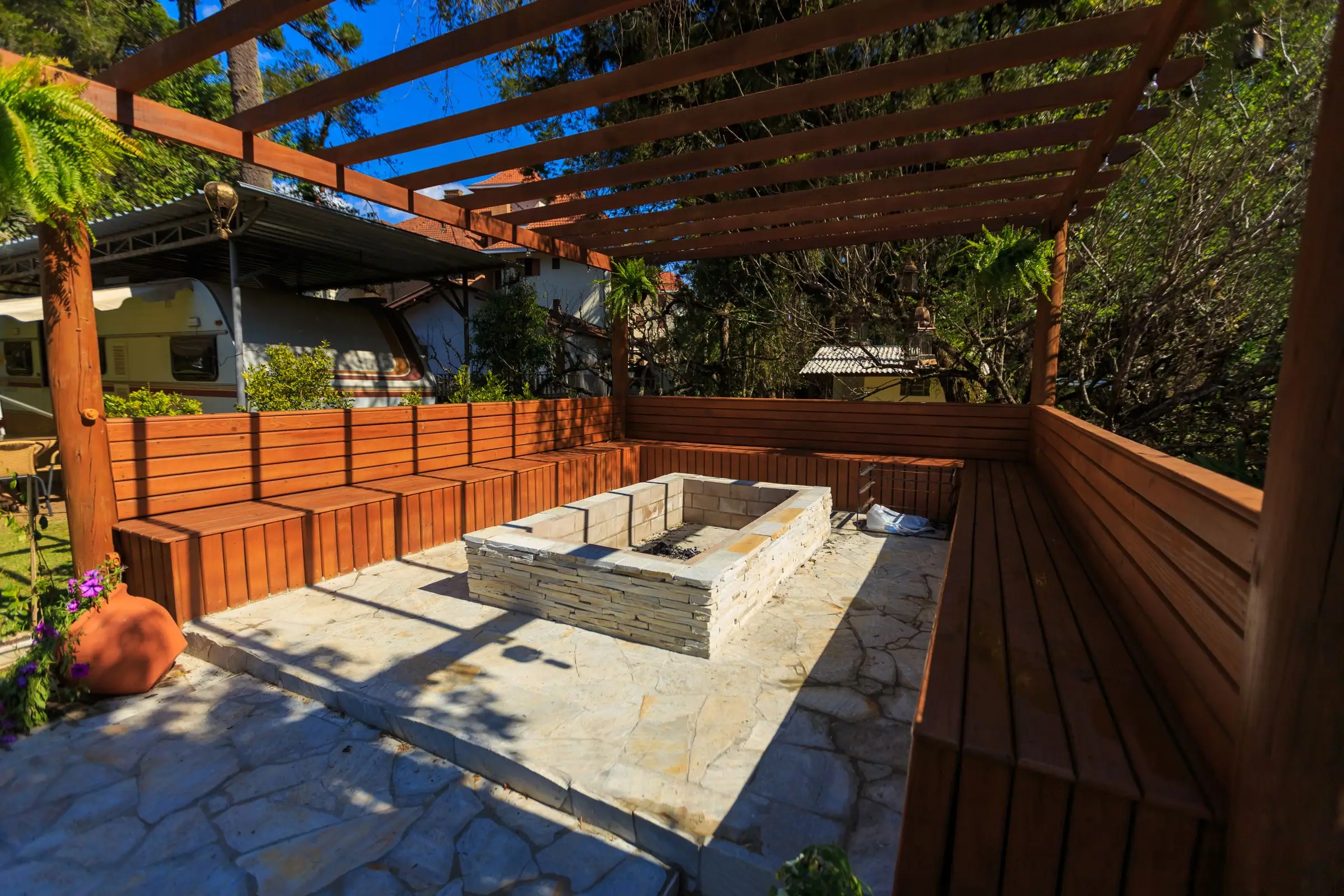
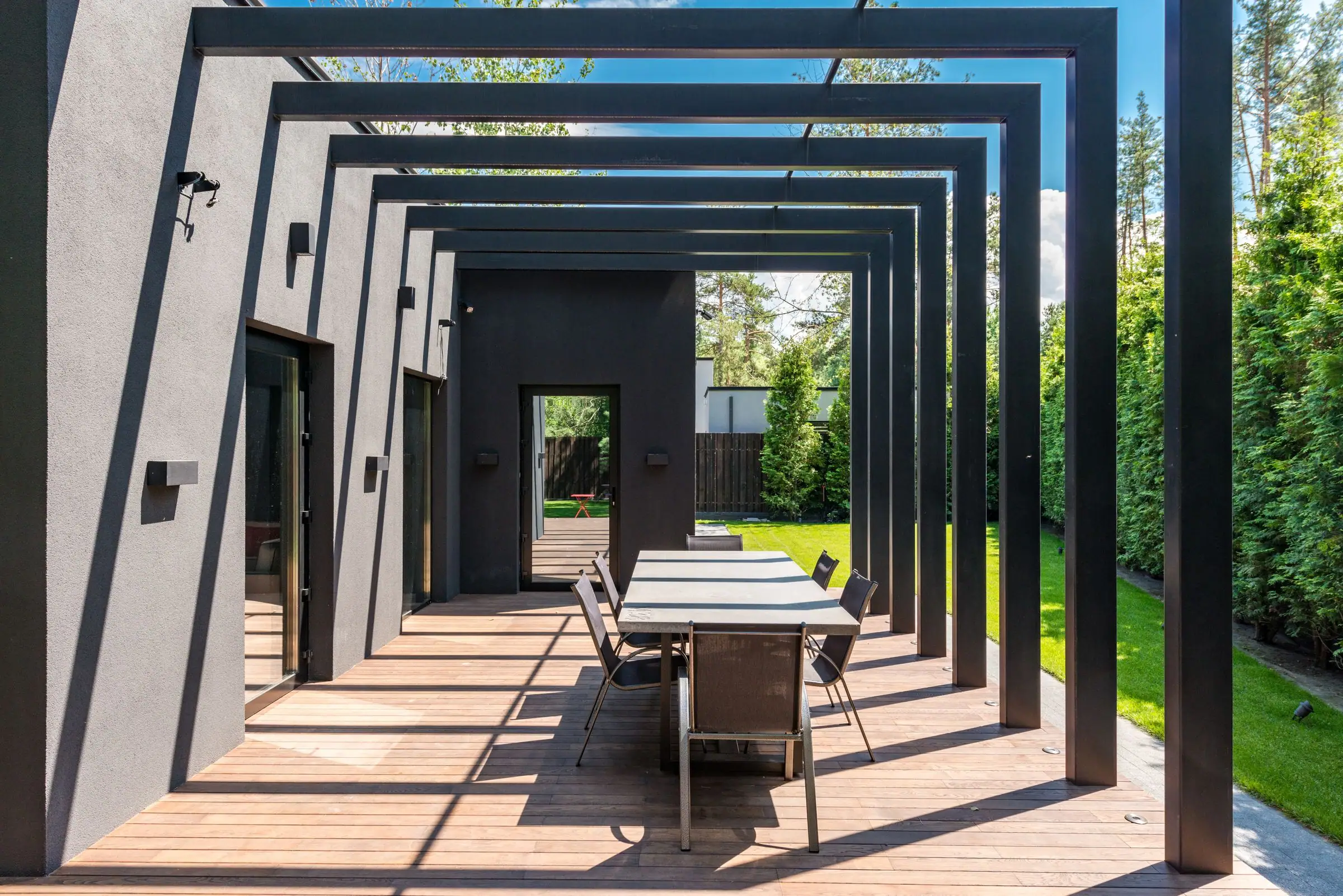
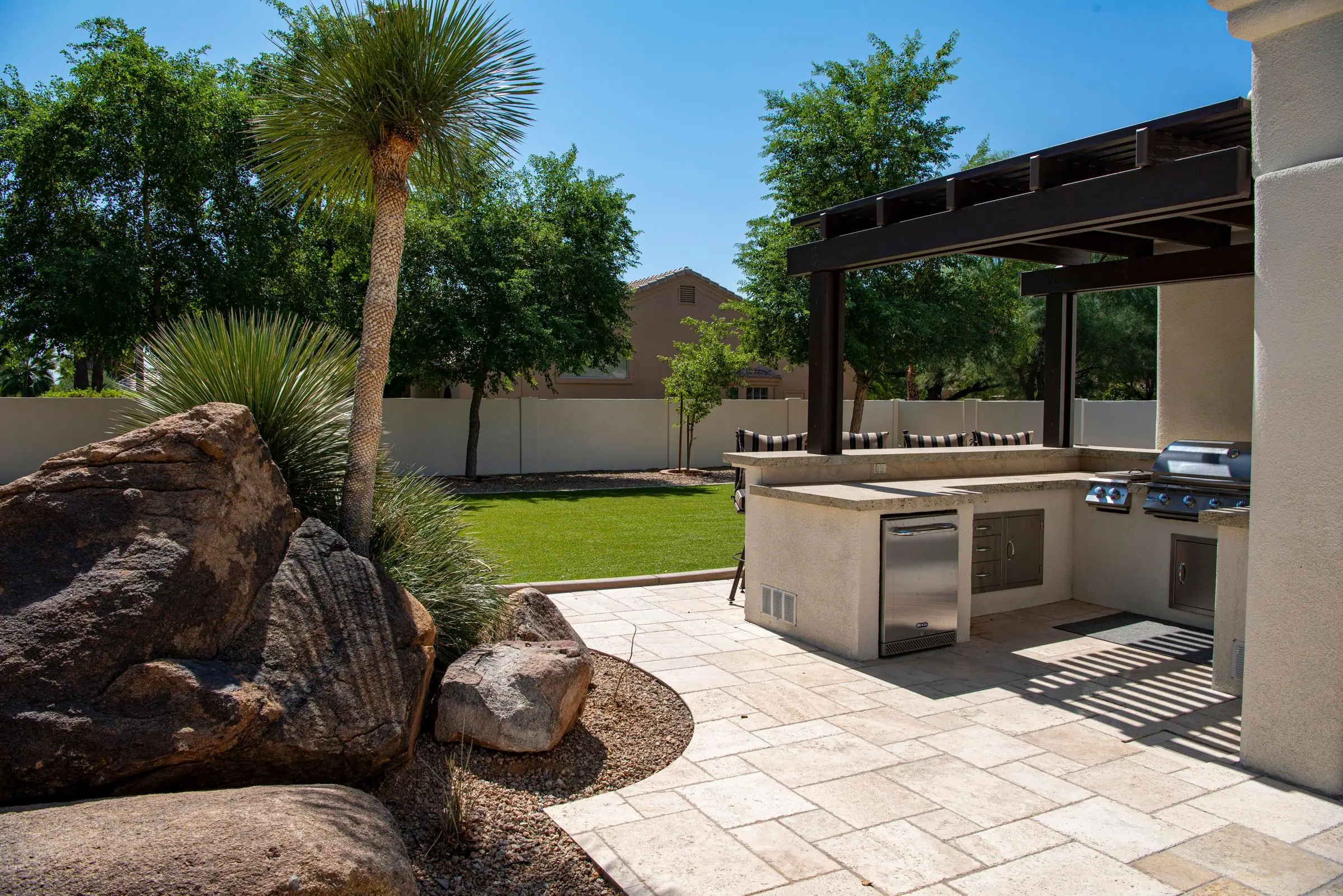
Ideas for a West Valley patio
Stock photos for ideas only, not jobs by a matched installer. Every cover type here can be quoted.
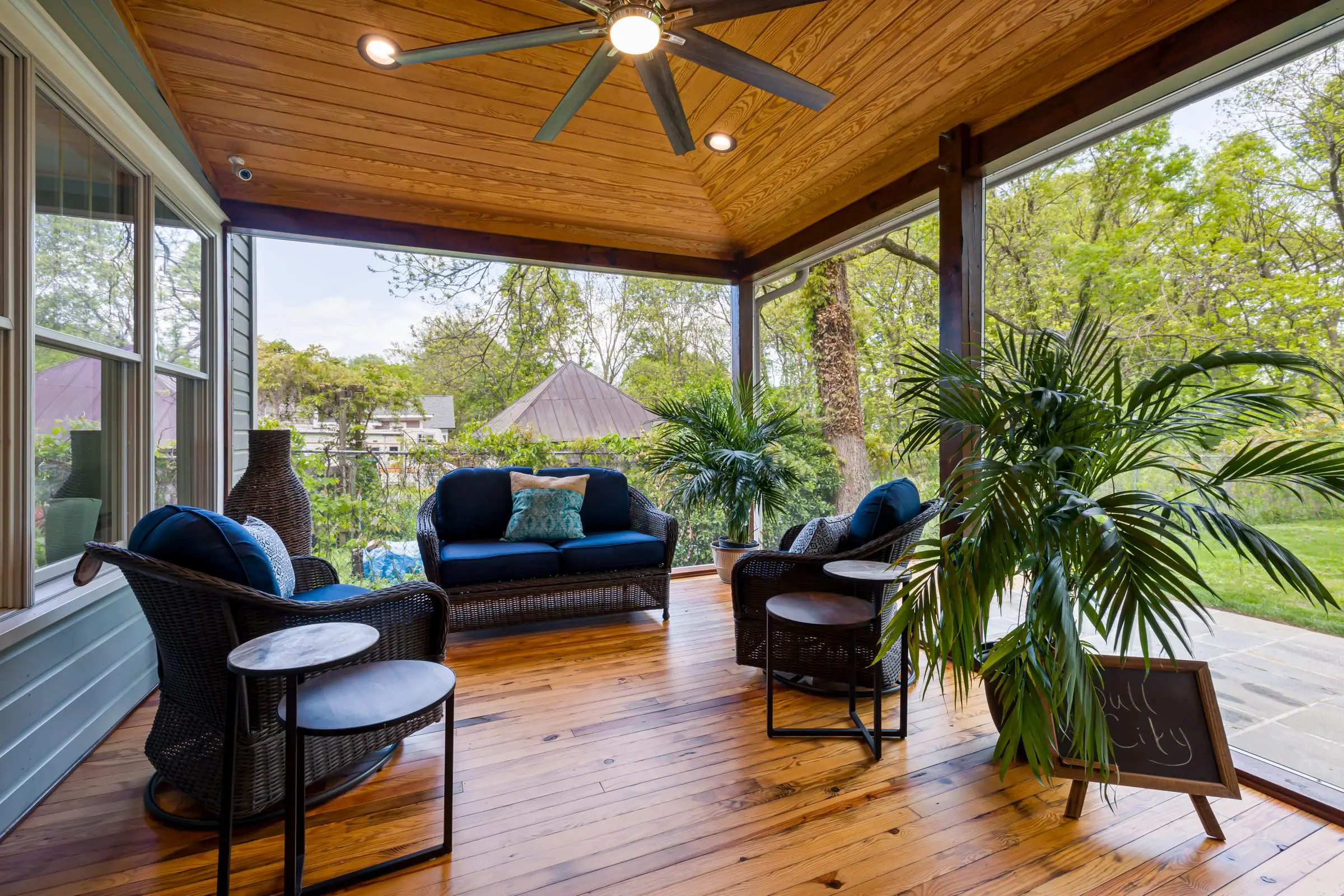
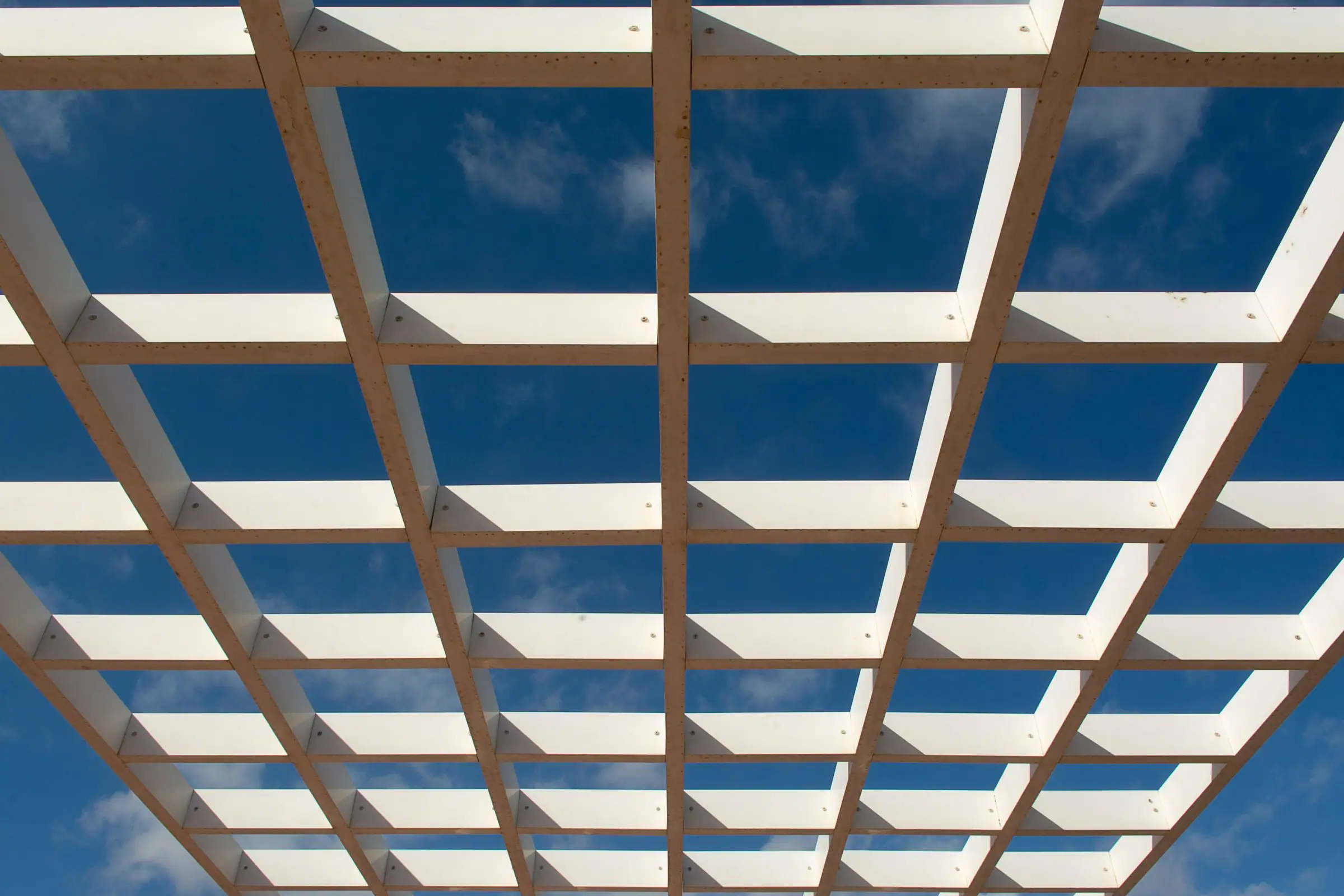
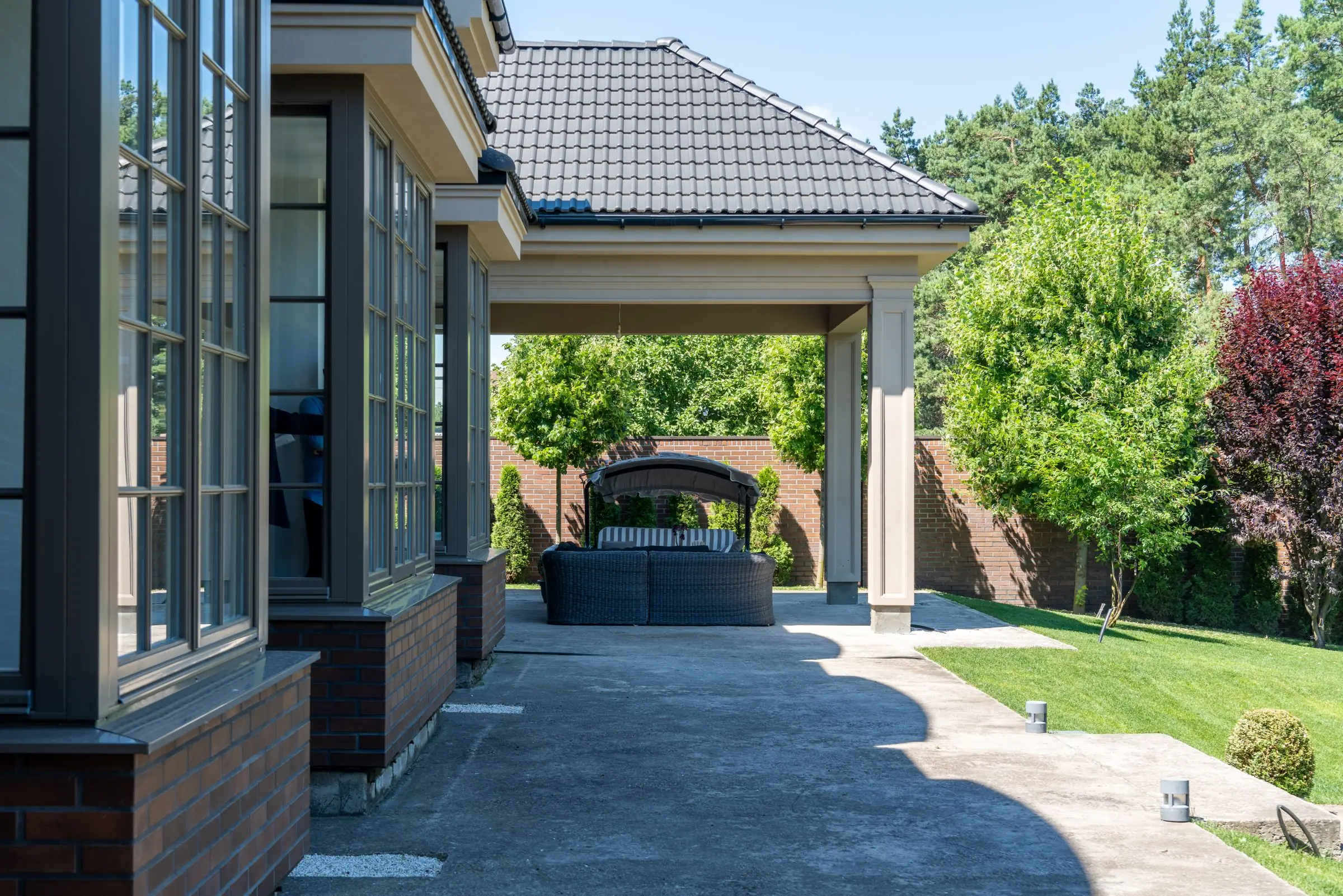
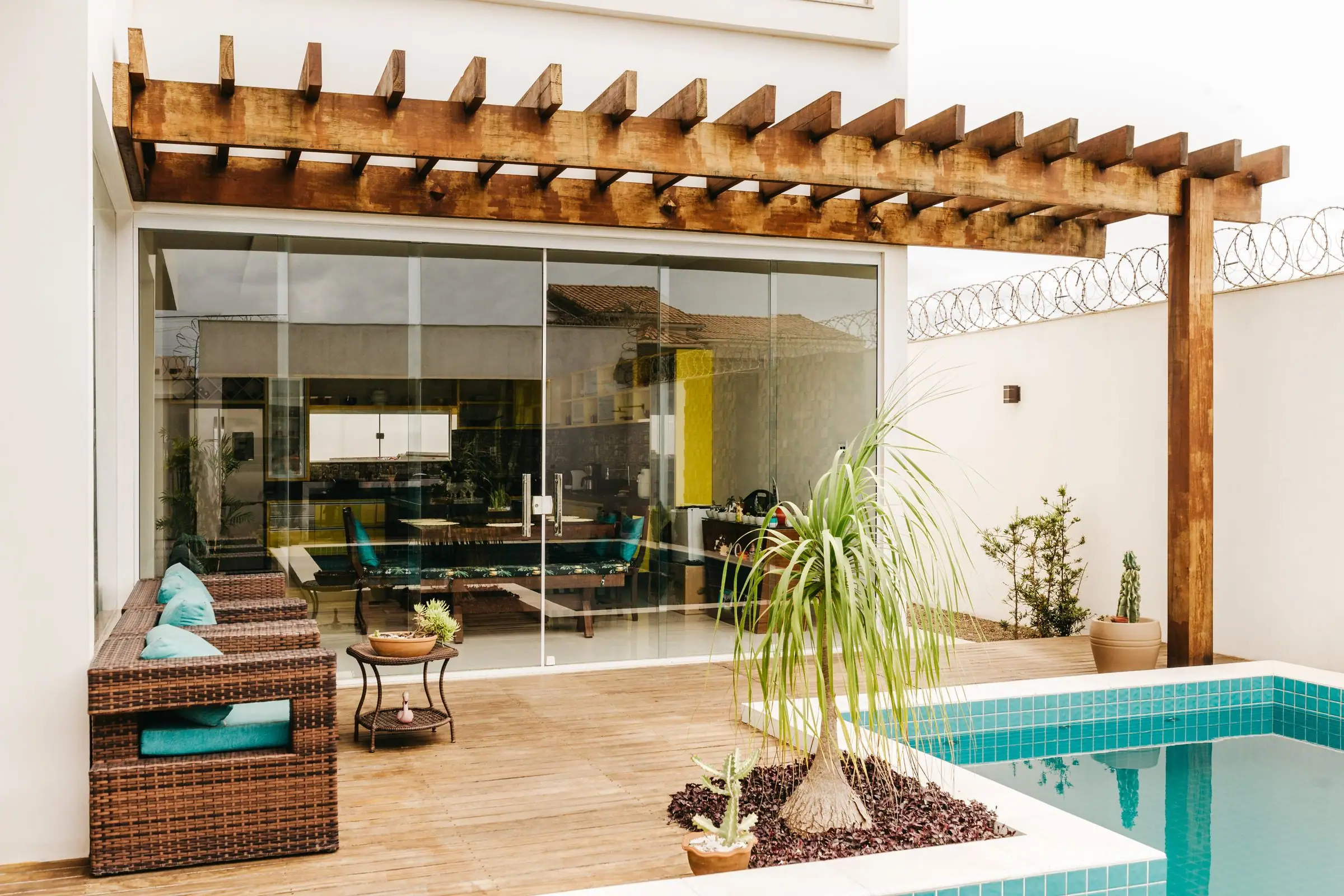
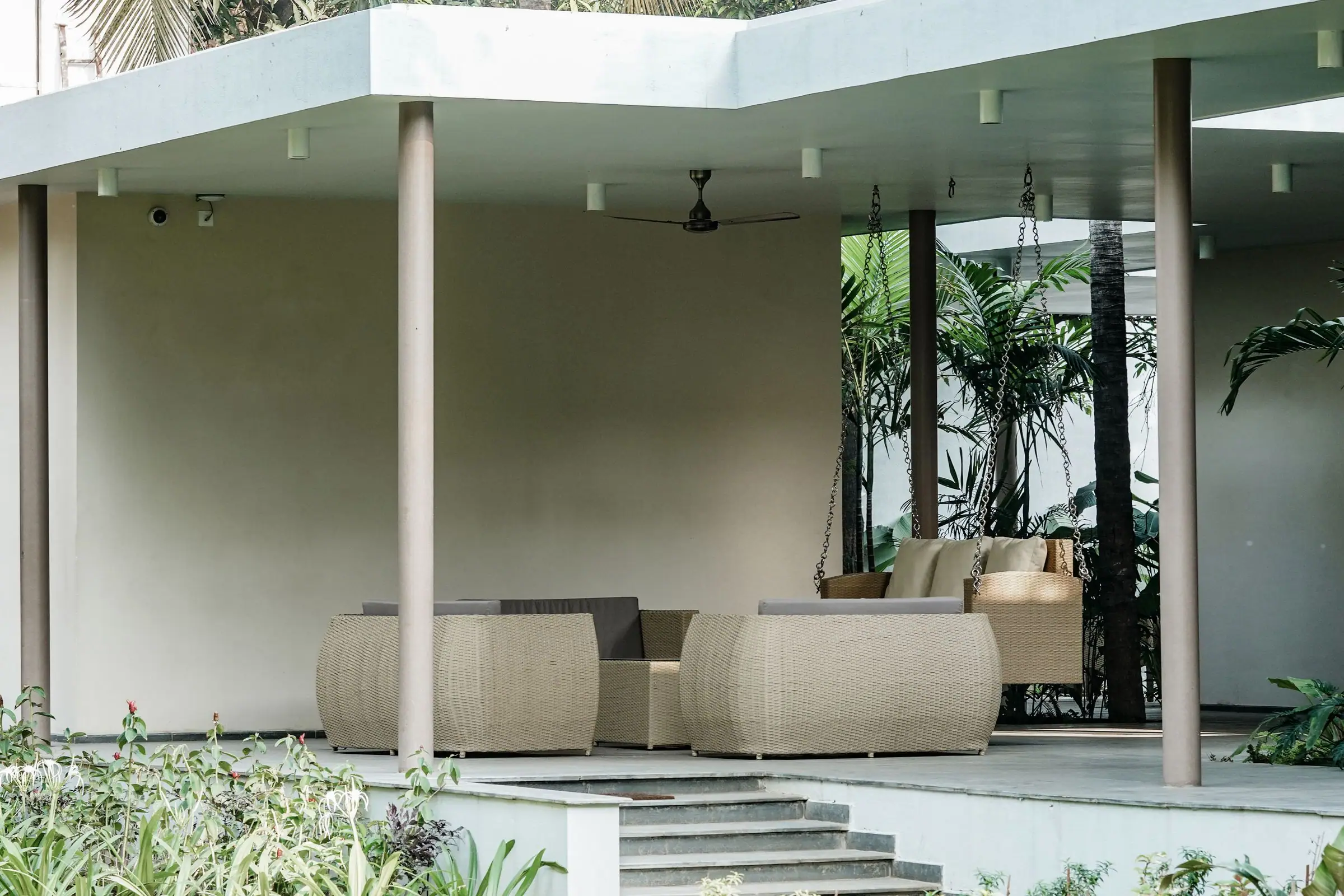
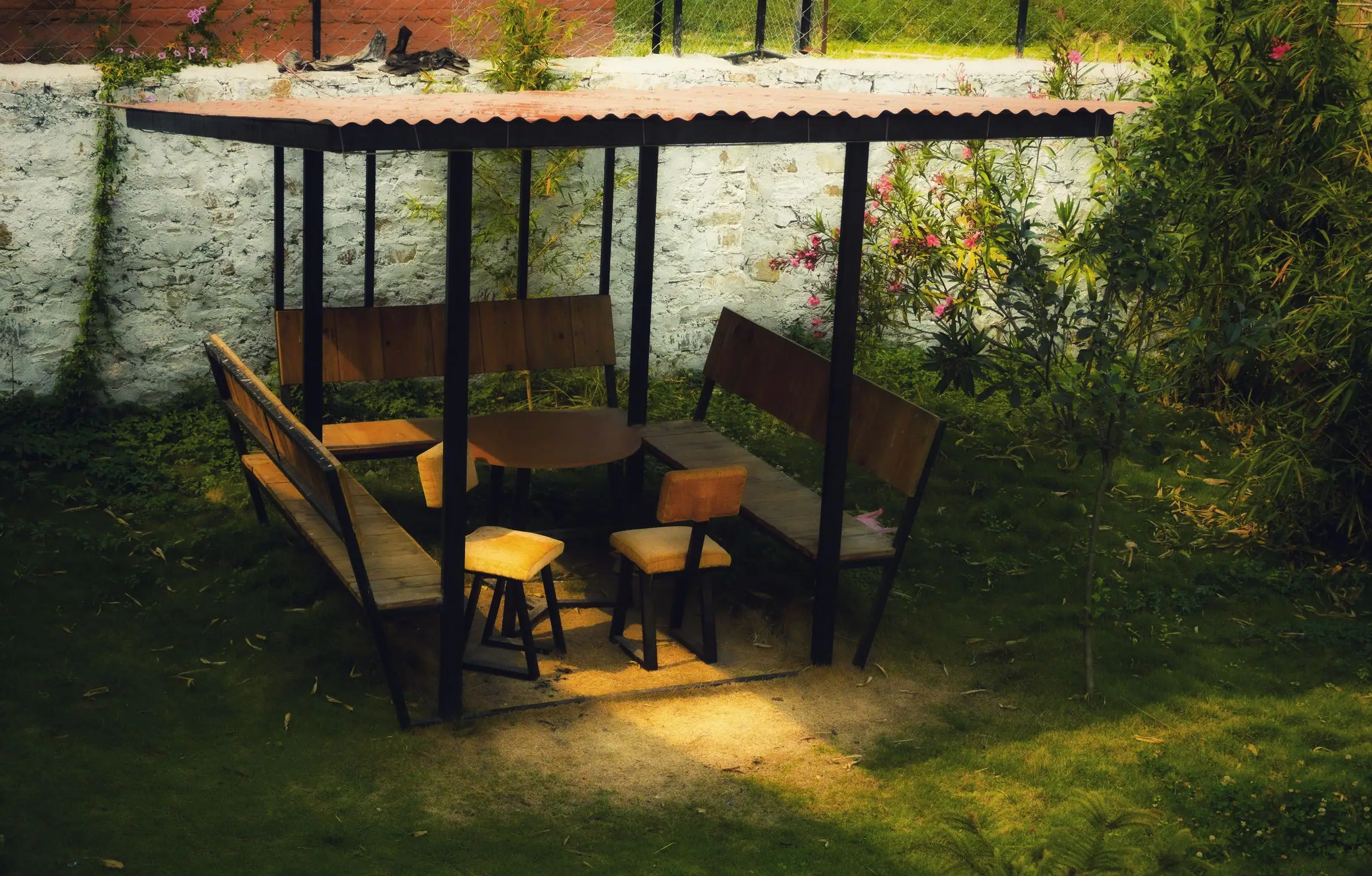
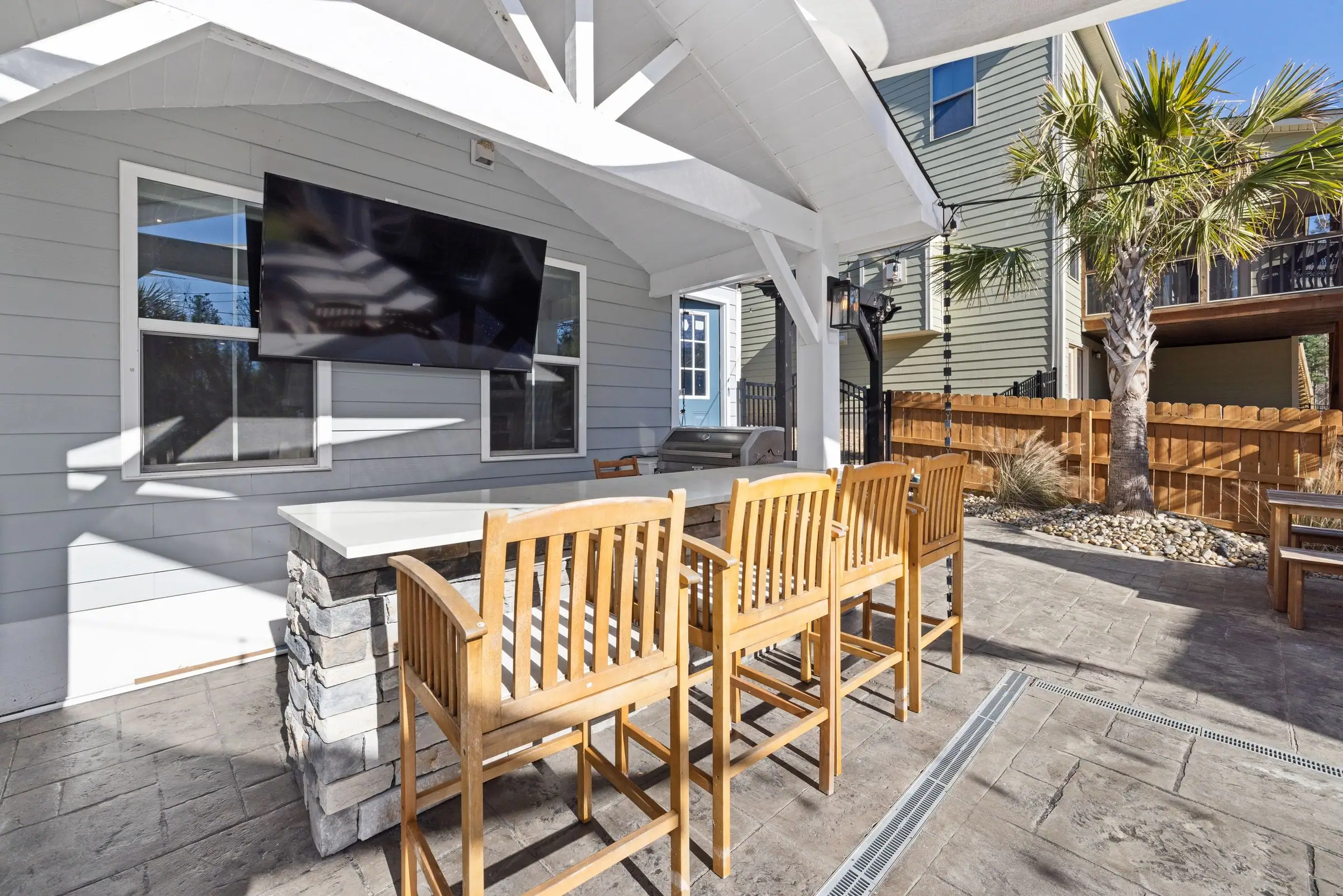
Swipe for more
Services
Covers we match
Cover types
01Aluminum Patio CoversLow upkeep shade over a main patio, solid or lattice, in colors that match the house.02Alumawood Style Patio CoversAluminum with a wood grain finish: the look of wood with the upkeep of metal.03Solid Insulated Patio CoversFoam core panels for full shade, rain cover and a cooler, finished ceiling.04Lattice Shade CoversSpaced slats for filtered shade and airflow that keep a patio bright.Layouts
05PergolasAn open outdoor room with posts, beams and an open roof, attached or standing alone.06Attached Patio CoversA cover tied to the house wall, shading the patio right outside the back door.07Freestanding Patio CoversShade on its own posts, over a pool deck, fire pit or seating area away from the house.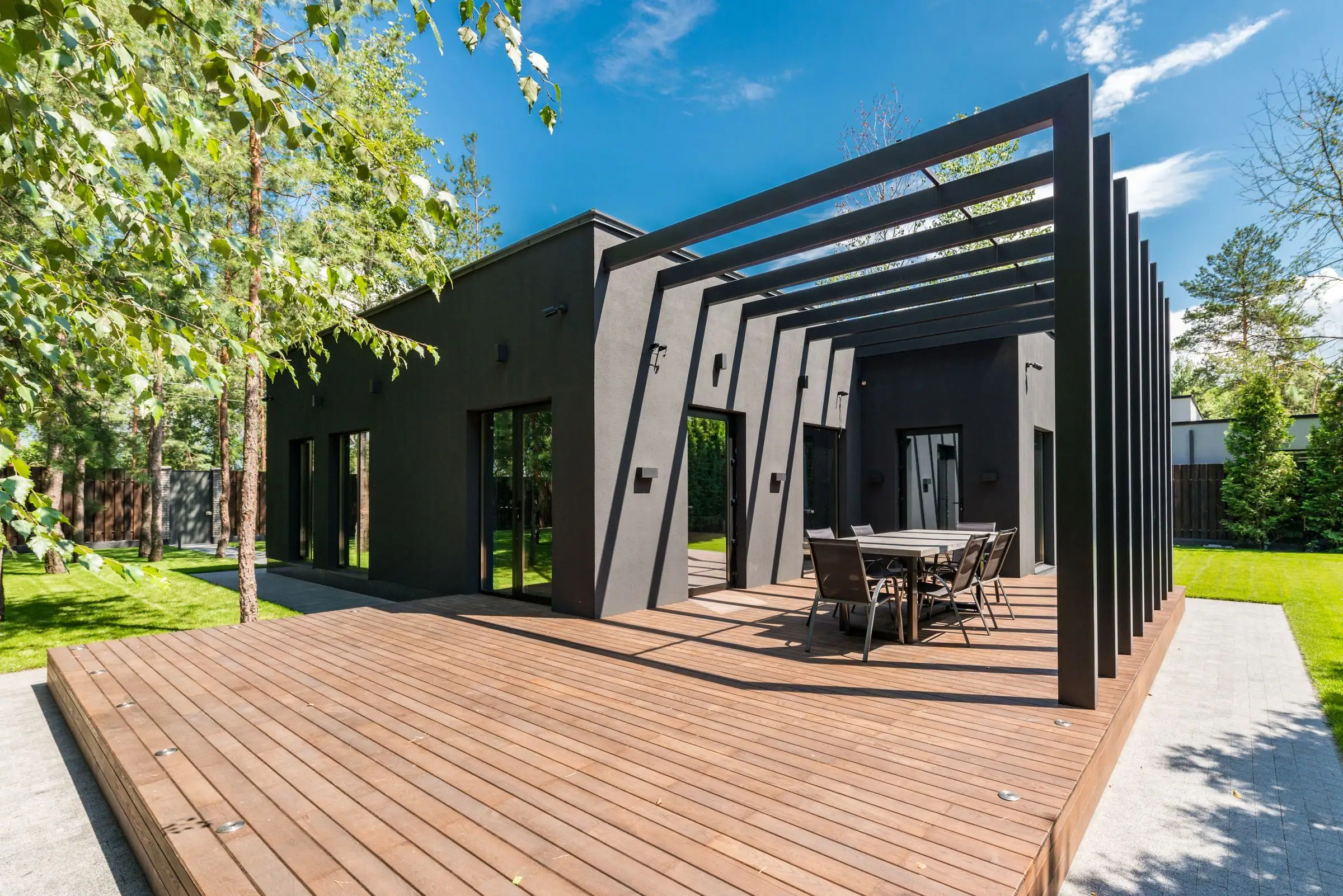
Choosing shade
Solid, lattice or pergola?
Each one trades shade, rain cover, airflow and price a little differently. There isn't one right answer for every patio.
Solid cover
Full shade and real rain cover for a dining table, an outdoor kitchen or furniture you want kept dry. It needs a slope, a gutter and a place for the water to go. On a very hot day it can feel warm underneath unless the panels are insulated.
Lattice cover
Spaced slats cut the direct sun while keeping the patio bright and letting air move through. It suits a garden seating spot or a play area. Rain passes through, so it won't keep a table dry.
Pergola
Posts and beams that frame an outdoor room and stay open to the sky. It can stand alone out in the yard and holds lights or shade cloth well. Like lattice, it gives limited rain cover, and the posts need to stay clear of walkways and pool gates.
Some homeowners put lattice over a garden area and a solid cover over the dining area, which gives them both without roofing the whole yard.
Every cover type at a glance
| Cover type | Best for | Shade and rain |
|---|---|---|
| Aluminum patio covers | Low upkeep shade over a main patio | Full or filtered shade, depending on the panel |
| Alumawood style covers | A wood look with metal upkeep | Full or filtered shade, depending on the panel |
| Solid insulated covers | Full rain cover and cooler shade | Full shade and rain protection |
| Lattice shade covers | Filtered shade with airflow | Filtered shade, rain passes through |
| Pergolas | An open outdoor room | Filtered shade, open to the sky |
| Attached covers | A cover tied to the back of the house | Full or filtered shade, depending on the panel |
| Freestanding covers | Shade out in the yard, away from the house | Full or filtered shade, depending on the panel |
West Valley conditions
What the sun and monsoon ask of a patio cover
Four things worth raising when the installer comes out to measure.
Sun direction
A south facing patio needs deep shade through the middle of the day. A west facing patio gets low afternoon sun from the side, so a roof alone may not fix it, and a side shade panel or a pergola set at an angle can help. Say which way your patio faces when you ask for a quote.
Monsoon rain
A solid roof sends rain to a gutter, and that water needs a downspout and an outlet that keeps walkways dry and sends nothing toward the foundation or a neighbor's lot. In a flat West Valley yard the outlet plan matters even more. Ask where the downspouts will land.
Heat and color
Metal handles sun and heat with little upkeep, and a light color reflects more heat than a dark one. Wood looks warm but needs regular sealing in desert sun. Look at color samples in full sun, which is how you'll see the cover most days.
HOA and permits
Many West Valley communities have rules on color, material, height and placement, and some want written approval first. An attached solid cover is more likely to need a permit than a small lattice frame, and electrical work usually needs its own. Check both early.
What changes the price
Why two patio cover quotes can be far apart
Size and material are only part of it. These are the lines to compare when quotes come back.
Size and span
Posts, beams and footings don't grow in a straight line with size. A longer span may need heavier beams or another post, and a small cover often costs more per square foot than a big one.
Footings and slab
A cover set over an existing slab costs less than one that needs new footings dug into soil. A new concrete slab is usually priced on its own.
Attached or freestanding
An attached cover uses the house for support. A freestanding cover needs extra posts and footings, and one published guide puts the difference at about $1,500 to $4,000.
Panel type
Lattice costs the least, solid costs more, and insulated foam core panels cost the most. A desert market guide puts insulated solid roofs at about $40 to $55 per square foot installed.
Lights and fans
Wiring for lights, a ceiling fan or a heater is its own line. One published guide puts that electrical work at about $1,000 to $3,500.
Permits and approvals
Permit and plan check fees, HOA approval and engineering for a long span can sit outside a base price. One guide puts permit fees at about $400 to $1,500. Ask which ones are included.
Every range on this page is on the cost guide with a link to its source.
Planning a budget
A rough budget in three steps
Not a quote, just a way to know what to expect before the installer visits.
- 1
Measure the patio
Length times depth gives square feet. Note the height at the house wall too, since it changes how the cover ties in.
- 2
Use a published range
One guide puts aluminum covers at about $25 to $45 per square foot installed. A desert market guide uses a 200 square foot solid cover as its example, at about $5,000 to $8,000 fully installed.
- 3
Add the extras
A new slab, lights or a fan, a freestanding frame, permits and HOA approval are often separate lines. Add the ones your patio needs.
The installer gives the real price after measuring, in writing. Compare quotes for the same size and material, not just a per square foot number.
Before you ask for a quote
Have these ready and the visit goes faster
- The address, so the installer knows the town and its rules
- The rough length and depth of the patio
- The height where the cover would meet the house wall
- Which way the patio faces, and when it gets too hot to sit out
- Whether you want full rain cover or filtered shade
- Posts, steps, roof lines or a pool near the patio
- Lights or a ceiling fan you want built in
- Your HOA rules, if your community has them
Questions
Good to know
Is Buckeye Patio Covers a contractor?
No. Buckeye Patio Covers is a free referral service. It matches homeowners with independent, licensed local contractors, and the matched contractor is the party that performs the work.
How does a quote request work?
A homeowner sends a quote request through the form or by phone. Buckeye Patio Covers passes the details to a matched local installer, and that installer follows up about a site visit and a written quote.
What does the referral service cost a homeowner?
The matching service is free to homeowners. The homeowner pays only the installer that is chosen, under the terms in that installer's own quote.
Do installers need a license?
Requests go to independent, licensed local contractors. A homeowner should still ask the installer for license details and confirm them before signing any agreement.
Can I choose between solid and lattice shade?
Yes. The quote form includes a job type choice, and the message field can describe how much sun, rain protection, and airflow the patio needs. The matched installer can explain which option fits that patio.
What should I measure before requesting a quote?
The approximate length and depth of the patio, the height at the house wall, and any posts, steps, or roof lines that could affect the structure. Photos help, and the installer can confirm final measurements at a visit.
Do I need a permit for a patio cover in Buckeye?
Often, especially for an attached solid cover, and electrical work usually needs its own permit. Rules vary by town and by community. The matched installer can explain what is usually required, and it's worth reading your HOA documents too, since rules differ from one subdivision to the next.
Which cover works best on a west facing patio?
Low afternoon sun comes in from the side on a west facing patio, so a roof alone may not be enough. Ask the installer about a side shade panel, a drop screen, or a pergola set at a different angle, and mention what time of day the patio gets too hot.
Does a solid cover make the patio feel hotter?
A plain metal roof can feel warm underneath on a very hot afternoon. Insulated foam core panels cut the heat coming down, and a lighter color reflects more of it. If the patio gets used in summer, ask the installer to price both so you can compare.
Can I add lights or a ceiling fan to the cover?
Yes. Wiring for lights or a fan is priced as its own line, and it usually needs its own permit. Ask for it to be listed in the written quote so it is not assumed or left out.
Free match
Tell us about your patio
Send a few details about the patio. A licensed local installer will call you to set up a visit and send a written quote.
- (623) 294-7214
- Free match, no obligation
- Matching in Buckeye and the West Valley